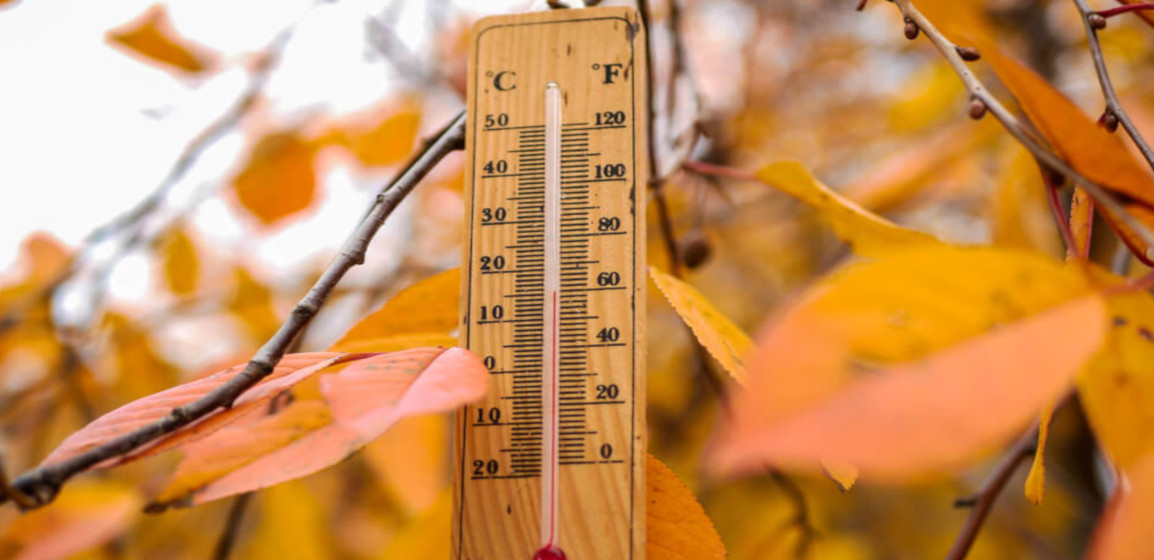


Winter is typically the highest energy-use season for New Jersey households. As temperatures drop and furnaces run longer, even energy-conscious families can see higher monthly bills. But there’s good news!
There are programs available that can help households manage energy use and stabilize their payments to help avoid seasonal price spike surprises. Here are four programs NJ families should know about.
- Energy Efficiency Rebates and Incentive Programs – Elizabethtown Gas offers energy efficiency programs that include rebates and incentives for home upgrades that reduce energy waste and improve the comfort of your home. Eligible improvements may include insulation upgrades, duct sealing, high-efficiency heating systems, and smart thermostats. When added together, these improvements help homes maintain steady temperatures heat more effectively while reducing the overall strain on your system. Plus, they deliver long-term savings.
- Budget Billing – Budget Billing helps smooth out seasonal fluctuations by spreading your estimated annual energy use evenly across the whole year. Instead of higher bills in winter and lower bills in summer, customers pay a more predictable monthly amount. This option is especially helpful for households that prefer consistency and want to better plan their household budgets throughout the year.
- LIHEAP (Low Income Home Energy Assistance Program) – LIHEAP is a federally funded program that provides grants to help income-eligible households pay for home heating costs. Many families qualify but don’t realize it. LIHEAP assistance can help with ongoing energy use or emergency situations, which makes it a valuable resource during the coldest months of the year.
- New Jersey Universal Service Fund – The Universal Service Fund (USF) helps make energy bills more affordable year-round for income-eligible customers. Benefits are typically applied directly to monthly bills in order to reduce overall energy burden. In some cases, households enrolled in USF may also qualify for additional programs that help address past-due balances.
Find more ways to save. Check out Elizabethtown Gas’ Energy Efficiency Programs for even more fun ideas, rebates, and more ways to keep your home energy efficient.